 Japan is a wonderful blend of ancient history and the latest in
high tech innovation. Beautiful old temples sit near modern skyscrapers
and dizzying lights. Meticulously groomed gardens, high-speed trains,
mountains, and a sometimes quirky culture create a fascinating society
that has evolved over thousands of years. Visitors to Japan will never
want for something new or interesting to explore.
Transportation
Japan is a wonderful blend of ancient history and the latest in
high tech innovation. Beautiful old temples sit near modern skyscrapers
and dizzying lights. Meticulously groomed gardens, high-speed trains,
mountains, and a sometimes quirky culture create a fascinating society
that has evolved over thousands of years. Visitors to Japan will never
want for something new or interesting to explore.
Transportation
The majority of visitors will arrive at one of Japan's two
international airports, Narita Airport in Tokyo and Kansai Airport in
Osaka. From there it's possible to take domestic flights to other
regions or travel by train, car rental, or coach. Japan's train network
is excellent and reliable, making it one of the best ways to travel
throughout the country. It is home to the world's first high-speed
train, the bullet train. There is a special tourist Japan Rail Pass the
lets you take unlimited train journeys for up to three weeks at
excellent value for money. It is important to note that the pass must be
bought in advance before arriving in Japan and there are a few
restrictions, but not many. The cheapest way to travel is by coach,
known as a kosoku bus.
Weather
Japan has distinct seasons, making it great to visit at any time of
year. Spring in Japan is famous for the beautiful blooming cherry
blossoms. Summer can get very hot and humid, but the mountains provide
fantastic escapes and it is the time of year when many festivals take
place. Autumn brings the fiery blaze of foliage. In the winter, the
mountains and northern Japan provide good skiing. The south and Pacific
coast is milder than other parts of the country. This time of year is a
great time to experience Japan's hot springs, many of the best can be
found in Tohoku, the northern most region of the main island.
Accommodation
Japan has plenty of accommodation options available in both Western
and Japanese styles and catering to various budgets. To get a truly
Japanese experience try and spend at least one night in a Ryokan. These
Japanese inns almost always include breakfast and dinner. Bed and
breakfasts are another good way to experience Japanese style living.
Western style hotels are common with many familiar names throughout the
country. Budget travellers will find hundreds of hostels that will suit
their needs. One of the most unique options is to stay in a Japanese
temple and take part in the morning Buddhist prayers.
Main Attractions
Japan has enough attractions to fill many guide books. It has
forests, gardens, hot springs, mountains, sea, museums, shrines,
temples, and much much more. Temples are found in all regions of Japan
and are fine examples of traditional architecture. Some temples still
function as Buddhist monasteries and house sacred shrines. Some of the
most beautiful temples are Takkoku no Iwaya, Motsuji Temple, Yamadera,
Sensoji Temple, Kokedera, and Ankokuronji Temple. Sea life lovers and
families will enjoy Japan's amazing aquariums, such as Aquamarine
Fukushima and Churaumi Aquarium, arguably the most spectacular in two
aquariums in Japan.
Even though Japan is known for its mega and
ultra modern cities, it is also rich with nature to explore. Cherry
blossoms are one of the country's biggest attractions and most
celebrated plants. The best time of year to see them is at the start of
April.
Popular viewing spots are Chidorigafuchi in Kitanomaru Park in
Tokyo, Sankeien Garden, Chureito Pagoda, and Hikone Castle. There are
several national parks where visitors can experience spectacular scenery
and hiking trails. One of the best places to see autumn colours is
Daisetsuzen National Park. For hot springs head to Towada Hachimantai
National Park.
Article Source:
http://EzineArticles.com/?expert=Harry_T.
 You're just a few days away from your Vietnam adventure travel
holiday and scrambling to find out as much as possible before you go.
With the tips below, the only thing you'll feel before you go on your
family adventure vacation is excitement!
When to Go: Know the Climate
Vietnam's
climate is complex and seasons vary depending on your destination. The
north is warm, dry and sunny between September and December, though
you'll need warm clothes for chilly evenings in the mountains. December
to February can be surprisingly cold with temperatures as low as 10*C
(50F). The rainy season starts in June with heavy downpours.
The
Central region has a wet climate, though the dry season lasts from
February to May, after which is humid and rainy, with temperatures
around 30*C (86F). Between November and January, the rains subside. The
dry season in the lower east coast and South lasts from December to May
and is followed by a rainy season. Daily temperatures here rarely fall
below 20*C (68F) and mostly rain falls in short downpours.
Money and Valuables
•
Store Cash, credit cards and valuables in a safe place. Most 4-star
hotels have in-room safes; otherwise ask the reception to store
valuables in their safe deposit.
• Never carry more money than you need nor wear large amounts of
jewelry when walking along the street. In Vietnam, it's considered
impolite to flaunt wealth and you're more likely to be a pickpocket's
victim.
You're just a few days away from your Vietnam adventure travel
holiday and scrambling to find out as much as possible before you go.
With the tips below, the only thing you'll feel before you go on your
family adventure vacation is excitement!
When to Go: Know the Climate
Vietnam's
climate is complex and seasons vary depending on your destination. The
north is warm, dry and sunny between September and December, though
you'll need warm clothes for chilly evenings in the mountains. December
to February can be surprisingly cold with temperatures as low as 10*C
(50F). The rainy season starts in June with heavy downpours.
The
Central region has a wet climate, though the dry season lasts from
February to May, after which is humid and rainy, with temperatures
around 30*C (86F). Between November and January, the rains subside. The
dry season in the lower east coast and South lasts from December to May
and is followed by a rainy season. Daily temperatures here rarely fall
below 20*C (68F) and mostly rain falls in short downpours.
Money and Valuables
•
Store Cash, credit cards and valuables in a safe place. Most 4-star
hotels have in-room safes; otherwise ask the reception to store
valuables in their safe deposit.
• Never carry more money than you need nor wear large amounts of
jewelry when walking along the street. In Vietnam, it's considered
impolite to flaunt wealth and you're more likely to be a pickpocket's
victim.
• Monetary transactions are best made in cash in the local currency,
the Dong. Vietnamese merchants will also gladly accept USD, but bring
along small bills. ATM's dispense only large bills which can be
difficult to break.
• Credit cards are used in the large cities, but may be difficult to use in smaller towns.
What to Wear
In
Vietnam, the dress code is casual but conservative. Unless you plan on
dinners at ultra-upscale restaurants, there is no need for formal
clothes. When packing, the main thing to consider is the weather, as it
can be cold in the northern mountains and at the same time, hot and
humid on the central coast.
• For winter months in the mountains,
long jeans and a warm coat are necessary. For the more tropical areas,
lightweight, quick-drying clothes are appropriate.
• Rain can catch you anywhere in Vietnam, so lightweight raingear is essential.
• Good hiking shoes for treks are a must, and sandals and flip-flops are good for coastal destinations.
• Dress appropriately so as not to offend local people. Clothing
should be kept simple and discreet. Avoid wearing shorts, tank tops or
low neck-lines.
Additional Useful Accessories
• Bring along a good sun-protectant as local products are unreliable.
• A wide-brimmed hat to shade your face and neck, and sunglasses with high UV protection are necessary.
• Though there aren't really mosquitoes in the towns and cities, a
bug repellent based on natural ingredients is recommended for
itineraries including treks and forested areas. 'Deet' based repellents
can cause rashes in humid climates.
• To be safe, bring an extra pair of reading glasses or orthopedic shoes, if you wear them.
• For conventional cameras, plenty of film and extra batteries are
necessary, as these have virtually disappeared in Vietnam. For digital
cameras, equipment is readily available.
Follow Local Customs
• Remove shoes when entering temples, pagodas or Vietnamese homes.
• It is considered extremely rude to wear shorts or dresses and tops
with low neck-lines and bare shoulders to temples and pagodas.
• Handshaking is the normal way of greeting in Vietnam. But Vietnamese people should not be touched on the head.
Shopping in Vietnam
Vietnam is a bargain hunter's haven with Hanoi, Saigon and Hoi An top shopping destinations.
•
Hanoi's Old quarter is excellent for visitors, its streets filled with
small shops selling clothes, fabrics, gold and all manner of articles.
• Hanoi's Dong Xuan Market and Saigon's Ben Thanh Market are both worth visiting.
• For "designer-styled" clothing, Hoi An is the place to go.
• Hill tribes in the north and Central Highlands sell colorful hand-crafted goods and silk paintings.
• Bargaining is a cultural 'must' and should be good-natured as "saving face" is very important in Vietnam.
Tipping in Vietnam
Tipping is not expected but very much appreciated. A good guide may receive $10 per day and a driver $5 per day.
It
is considered proper to make a small donation when visiting a pagoda,
especially when accompanied by a priest. Most pagodas have contribution
boxes for this purpose.
I'm a trip consultant, planner and manager who loves creating
unique intercultural adventures for families. I want to impart
information,tips and personal experiences especially related to family
adventure travel. http://www.familyadventuretravelworks.com Sylvia@travelworks4u.com http://www.familyadventuretravelworks.com/top-7-tips-when-traveling-to-vietnam
Article Source:
http://EzineArticles.com/?expert=Sylvia_Arad
 Bali is a tropical island with lush plant life making it an
extremely popular destination for travellers wanting to experience its
wildlife and exotic animals. If you are contemplating a holiday to Bali
to experience the flora and fauna there are some places to add to your
itinerary:
Bali Butterfly Park
Bali is home to the largest
butterfly park in Asia, where you are guaranteed a glimpse of rare
bird-wing butterflies that you are unlikely to see anywhere else in the
world. You can explore intricately landscaped gardens where countless
rare indigenous Indonesian butterflies dwell and an adjoining
information centre offers resources to view, about the reserve and the
importance of conservation.
Elephant Safari Park
Just a
thirty minute ride from the town of Ubud is Bali's Elephant Safari Park
which is home to 27 endangered Sumatran Elephants. The park is one of
the largest of its kind and is designed to give visitors as close an
encounter as possible to these magnificent creatures as well as educate
them on the role of elephants. The park is made up of beautiful
landscaped botanical gardens and natural forest where you can see
elephants as they would be in their natural habitat. The park also
houses an interesting elephant museum featuring the only Mammoth
skeleton in the Southern Hemisphere.
Monkey Forest
Also in
the vicinity of Ubud is the Monkey Forest which is an extremely popular
destination for tourists wanting to see Bali's plethora of wild monkeys.
The monkeys here are extremely tame and can even be stroked but watch
your packed lunch, they're tame enough to steal your sandwiches too.
There is another larger Monkey Forest in Sangeh but the wild monkeys
near Ubud are far tamer making for a more memorable experience.
Bullock Racing
Bullock
racing is one of Bali's most popular sports. The season runs between
July and October and if you happen to be on your holiday here over those
months make sure you attend a race. The bulls are decorated in silk
banners with painted horns and bells while they pull a wooden chariot.
During these ancient races, the racers pull the bulls tails to make them
bound faster down the road. It really is a unique sight and seeing this
cultural spectacle will give you some unforgettable memories to take
home with you.
Bali is a tropical island with lush plant life making it an
extremely popular destination for travellers wanting to experience its
wildlife and exotic animals. If you are contemplating a holiday to Bali
to experience the flora and fauna there are some places to add to your
itinerary:
Bali Butterfly Park
Bali is home to the largest
butterfly park in Asia, where you are guaranteed a glimpse of rare
bird-wing butterflies that you are unlikely to see anywhere else in the
world. You can explore intricately landscaped gardens where countless
rare indigenous Indonesian butterflies dwell and an adjoining
information centre offers resources to view, about the reserve and the
importance of conservation.
Elephant Safari Park
Just a
thirty minute ride from the town of Ubud is Bali's Elephant Safari Park
which is home to 27 endangered Sumatran Elephants. The park is one of
the largest of its kind and is designed to give visitors as close an
encounter as possible to these magnificent creatures as well as educate
them on the role of elephants. The park is made up of beautiful
landscaped botanical gardens and natural forest where you can see
elephants as they would be in their natural habitat. The park also
houses an interesting elephant museum featuring the only Mammoth
skeleton in the Southern Hemisphere.
Monkey Forest
Also in
the vicinity of Ubud is the Monkey Forest which is an extremely popular
destination for tourists wanting to see Bali's plethora of wild monkeys.
The monkeys here are extremely tame and can even be stroked but watch
your packed lunch, they're tame enough to steal your sandwiches too.
There is another larger Monkey Forest in Sangeh but the wild monkeys
near Ubud are far tamer making for a more memorable experience.
Bullock Racing
Bullock
racing is one of Bali's most popular sports. The season runs between
July and October and if you happen to be on your holiday here over those
months make sure you attend a race. The bulls are decorated in silk
banners with painted horns and bells while they pull a wooden chariot.
During these ancient races, the racers pull the bulls tails to make them
bound faster down the road. It really is a unique sight and seeing this
cultural spectacle will give you some unforgettable memories to take
home with you.
key2holidays offer a wide variety of tailor-made holidays to Bali. Find more information & articles on the island at their website, key2holidays.co.uk.
Article Source:
http://EzineArticles.com/?expert=James_H_Hunt
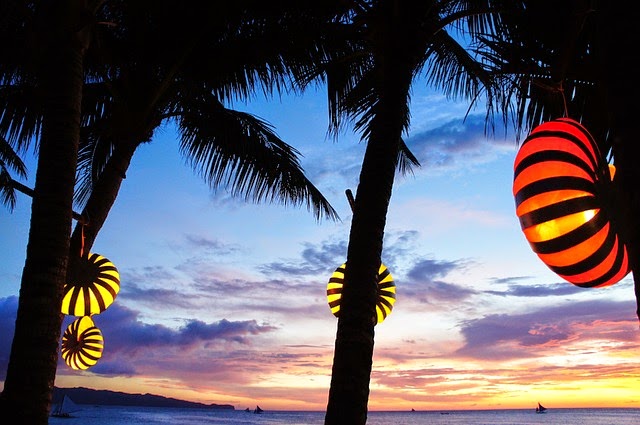 Located right in the heart of the Philippines, Boracay with its
famous powdery white sand and pristine sea has been a darling of
tourists for many decades. It has received several international
recognitions such as: "The top destinations for traveling Russians for
2010" by Travel.ru awards and by Travel + Leisure magazine's 2011
World's Best Islands, placing 4th.
The island's name came from a
local word "borac" which means cotton, attributed to the cotton-white
sand of its coast while some argue that it came from two native words:
"bora" meaning bubble and "bokay" which is another word for white. Once
regarded as a secret get-away for families from Panay in the 70's, it is
now known as a hot destination in South East Asia. For the first
timers, it is better to familiarize yourself about the most common
tourist spots around the island.
White Beach
Awarded
in 2007 by Yahoo Travel as the most beautiful beach in the world. It is
the longest (3.5 km) and the most famous part of Boracay. White beach
sits on the western part of the island and the most accessible for
tourists. The beach is notably known for its azure water, tropical
weather and scenic sunset. It houses most of the restaurants, caf,
stores, bars and amenities like ATM's and markets. It has 3 stations
namely: Station 1, Station 2 and Station 3. Each station houses
different hotels and inns that suites everyone's budget. If you want to
splurge and enjoy a royalty-like weekend, you may want to check out the
first class hotels in Station1. For families and backpackers who are on a
budget but still want to have a great time, Station 2 is the best place
to look out for.
It also houses most of the restaurants and stores
found in White Beach including D'Mall-- Boracay's commercial hub.
Station3 offers fewer hotels and the farthest of the three. It houses
the most affordable hotels with rates going as low as Php500 ($11.00)
per night. If you are a kind of lay-back person who does not like huge
crowds and loud music, this station will suit your personality. There
are lots of activities you may try to spice up your stay aside from
swimming; you may try scuba diving, snorkeling, paraw (a local sailboat)
sailing and skimboarding.
Bulabog Beach
Bulabog
Beach is a 2.5 kilometer long coastline of pure adrenaline rush and
excitement. It is just a 5 minute walk away across the more famous White
Beach. An offshore reef protects the beach; making its water shallow,
warm and smooth. Being on the eastern side of the island, the winds
brought around the area by the northeast monsoon picks up around
November until April. Winds may vary from 12 to 20 knots making it an
ideal destination for amateur and professional kite and windsurfers.
Regarded as the number 1 kiteboarding beach in Asia, casual and
competitive tourists will be in for a treat as annual sporting events
are always held and broad casted through major sports channels. Some of
the events held in Bulabog beach include: Asian Windsurfing Tour and The
International Kiteboarding Competition.
Willy's Rock
Towering
along the coastline of White Beach and 90 meters from the shore north
of Station 1 is a group of peculiar rock formation which attracted many
photographers -- amateurs and professionals alike. The unassuming rock
formation serves as backdrop to the already picturesque view of its
surroundings while dominating the seascape along White Beach. The
formation, which was aptly called "Willy's Rock" is found opposite of
Willy's Club Resort and is the iconic landmark that represents Boracay.
It has a dark-grayish color which starkly contrasts to the blue and
green hue of the surrounding sea.
Climb up Willy's Rock and enjoy a
commanding view of the beach with a great glimpse of Nassog point to the
north. Perched atop of The Rock is a small grotto dedicated to the
Blessed Virgin Mary and different varieties of plants and trees. It has
adorned countless postcards and websites because of its iconic beauty;
making it the most photographed landmark in Boracay. Truly a magnificent
work of art only nature can produce.
Puka Beach
A
quiet stretch of tropical paradise up north of Boracay. A place that
might as well be from the page of a classic pirate movie -- a remote
island, lush with rich vegetation, inhabited by kind and smiling
natives, forgotten by civilization and enclosed in towering and craggy
cliffs; an exact opposite of the busy and commercialized appeal of White
Beach. Better rent a motorboat to witness stunning views leading to the
beach instead of A.T.V.'s, bikes or tricylces. Spare some 30 minutes of
boat ride to reach it. Because of its geography, rough waves and heavy
winds might occasionally greet you. However, these are just prologue to
the magnificent experience that awaits you; peaceful ambiance, warm
crystalline water and mild rhythmic gush of seawater touching its silica
rich sand.
CNN's travel site, CNNGo ranked Puka Beach 41st on its list
of "World's 50 Best Beaches." It is a great haven for people who plan to
enjoy nature and get away from the hustle and bustle down south.There
are no music, no partying and only a handful of vendors will greet your
arrival. It is perfect for sunbathing and bonding due to its privacy.
The beach got its name from the rare Puka shells abound its white and
warm coast which the locals traditionally gather for their livelihood by
turning them into bracelets, necklaces and other accessories and
selling them to tourists. There are only a handful of restaurants that
may serve you so better visit the place after you had your meal;
bringing along your own snack is also advisable.
While Boracay
offers a lot of modern stuffs one can found on a typical bar --
intoxicating tequila shots, pumped up music and dizzying flashes of
party lights; it is rejuvenating to know that after the glitz and
glamor, nature is waiting for you to explore and enjoy what it has to
offer. These are just five of the most spectacular places you might
visit and enjoy.
The rest of the island's best kept secrets are out
there for you to discover.
Located right in the heart of the Philippines, Boracay with its
famous powdery white sand and pristine sea has been a darling of
tourists for many decades. It has received several international
recognitions such as: "The top destinations for traveling Russians for
2010" by Travel.ru awards and by Travel + Leisure magazine's 2011
World's Best Islands, placing 4th.
The island's name came from a
local word "borac" which means cotton, attributed to the cotton-white
sand of its coast while some argue that it came from two native words:
"bora" meaning bubble and "bokay" which is another word for white. Once
regarded as a secret get-away for families from Panay in the 70's, it is
now known as a hot destination in South East Asia. For the first
timers, it is better to familiarize yourself about the most common
tourist spots around the island.
White Beach
Awarded
in 2007 by Yahoo Travel as the most beautiful beach in the world. It is
the longest (3.5 km) and the most famous part of Boracay. White beach
sits on the western part of the island and the most accessible for
tourists. The beach is notably known for its azure water, tropical
weather and scenic sunset. It houses most of the restaurants, caf,
stores, bars and amenities like ATM's and markets. It has 3 stations
namely: Station 1, Station 2 and Station 3. Each station houses
different hotels and inns that suites everyone's budget. If you want to
splurge and enjoy a royalty-like weekend, you may want to check out the
first class hotels in Station1. For families and backpackers who are on a
budget but still want to have a great time, Station 2 is the best place
to look out for.
It also houses most of the restaurants and stores
found in White Beach including D'Mall-- Boracay's commercial hub.
Station3 offers fewer hotels and the farthest of the three. It houses
the most affordable hotels with rates going as low as Php500 ($11.00)
per night. If you are a kind of lay-back person who does not like huge
crowds and loud music, this station will suit your personality. There
are lots of activities you may try to spice up your stay aside from
swimming; you may try scuba diving, snorkeling, paraw (a local sailboat)
sailing and skimboarding.
Bulabog Beach
Bulabog
Beach is a 2.5 kilometer long coastline of pure adrenaline rush and
excitement. It is just a 5 minute walk away across the more famous White
Beach. An offshore reef protects the beach; making its water shallow,
warm and smooth. Being on the eastern side of the island, the winds
brought around the area by the northeast monsoon picks up around
November until April. Winds may vary from 12 to 20 knots making it an
ideal destination for amateur and professional kite and windsurfers.
Regarded as the number 1 kiteboarding beach in Asia, casual and
competitive tourists will be in for a treat as annual sporting events
are always held and broad casted through major sports channels. Some of
the events held in Bulabog beach include: Asian Windsurfing Tour and The
International Kiteboarding Competition.
Willy's Rock
Towering
along the coastline of White Beach and 90 meters from the shore north
of Station 1 is a group of peculiar rock formation which attracted many
photographers -- amateurs and professionals alike. The unassuming rock
formation serves as backdrop to the already picturesque view of its
surroundings while dominating the seascape along White Beach. The
formation, which was aptly called "Willy's Rock" is found opposite of
Willy's Club Resort and is the iconic landmark that represents Boracay.
It has a dark-grayish color which starkly contrasts to the blue and
green hue of the surrounding sea.
Climb up Willy's Rock and enjoy a
commanding view of the beach with a great glimpse of Nassog point to the
north. Perched atop of The Rock is a small grotto dedicated to the
Blessed Virgin Mary and different varieties of plants and trees. It has
adorned countless postcards and websites because of its iconic beauty;
making it the most photographed landmark in Boracay. Truly a magnificent
work of art only nature can produce.
Puka Beach
A
quiet stretch of tropical paradise up north of Boracay. A place that
might as well be from the page of a classic pirate movie -- a remote
island, lush with rich vegetation, inhabited by kind and smiling
natives, forgotten by civilization and enclosed in towering and craggy
cliffs; an exact opposite of the busy and commercialized appeal of White
Beach. Better rent a motorboat to witness stunning views leading to the
beach instead of A.T.V.'s, bikes or tricylces. Spare some 30 minutes of
boat ride to reach it. Because of its geography, rough waves and heavy
winds might occasionally greet you. However, these are just prologue to
the magnificent experience that awaits you; peaceful ambiance, warm
crystalline water and mild rhythmic gush of seawater touching its silica
rich sand.
CNN's travel site, CNNGo ranked Puka Beach 41st on its list
of "World's 50 Best Beaches." It is a great haven for people who plan to
enjoy nature and get away from the hustle and bustle down south.There
are no music, no partying and only a handful of vendors will greet your
arrival. It is perfect for sunbathing and bonding due to its privacy.
The beach got its name from the rare Puka shells abound its white and
warm coast which the locals traditionally gather for their livelihood by
turning them into bracelets, necklaces and other accessories and
selling them to tourists. There are only a handful of restaurants that
may serve you so better visit the place after you had your meal;
bringing along your own snack is also advisable.
While Boracay
offers a lot of modern stuffs one can found on a typical bar --
intoxicating tequila shots, pumped up music and dizzying flashes of
party lights; it is rejuvenating to know that after the glitz and
glamor, nature is waiting for you to explore and enjoy what it has to
offer. These are just five of the most spectacular places you might
visit and enjoy.
The rest of the island's best kept secrets are out
there for you to discover.
Article Source:
http://EzineArticles.com/?expert=Carl_Dexter_F_Arceo


