 When people visit Argentina, they are naturally drawn to its
capital city, Buenos Aires and its romantic gauchos, haunting tangos,
rolling pampas, towering mountains and sparkling lakes. However, most
people aren't aware that because of Argentina's size, it offers the best
of both worlds from the Antarctica-like glaciers in Patagonia to its
tropical jungle in the north. To get the most out of your trip to
Argentina, here are some planning tips as well as some Do's and Don'ts.
Choose a manageable itinerary that works within your time frame.
It
takes 9 hours by plane to reach Argentina. Plan to spend some time
traveling around the country because an internal flight lasting 1
½ to 2 hours is usually required in order to reach the best
destinations. If you are also planning to explore Chile or Brazil, you
will have to limit the number of regions you will visit outside of
Buenos Aires because most regions are worth visiting for at least three
nights. Your budget, not to mention your time, will be overrun if you
spend a significant amount of time on planes, and money on internal
airfare.
Be mindful of the seasonality.
Remember that in the
southern hemisphere, the seasons are reversed. You should visit
Argentina between late October and early April. During these months, the
temperatures are more moderate and the rain is less plentiful because
these are spring and summer months. However, you may feel free to visit
the northern part of the country, which features both Buenos Aires and
the Iguazu falls, all year round.
Cultural immersion opportunities abound.
If
you are into dancing, you can choose to attend a tango show, take a
private lesson, or visit a milonga, a dance hall where the natives dance
tango during their lunch break from work. You can also watch a soccer
game or a polo match, if you are more into sports. Teatro Colon, ranked
by National Geographic as the third best Opera House in the world also
puts on the best opera, ballet and classical music concert shows all
year. While in Buenos Aires, consider taking a cooking workshop. It not
only immerses you deeper into the culture, it also gives you a skill you
can take back home with you.
Where to go and how long to stay?
•
Buenos Aires, the "Paris of the South", is worth at least two nights,
three for city lovers. Free time here is not wasted but be careful of
thieves.
• Glaciers National Park (Calafate) is the best place for
seeing -- and trekking on -- glaciers within Argentina. The
incomparably beautiful Perito Moreno glacier may just be the loveliest
glacier outside Antarctica. Recommend three nights.
• The Lake
District (Bariloche, Villa La Angostura) is justifiably called "Little
Switzerland" for its mountains, lakes, rivers, lush vegetation and many
adventure options - hiking, whitewater rafting, horseback riding and
kayaking. Three nights.
• Iguazu Falls are widely considered one
of the two most impressive falls in the world -- MUCH more impressive
than Niagara or Angel falls. We recommend spending one or two nights to
see both the Argentine and Brazilian sides, which offer completely
different views.
• The Valdez Peninsula region is the best spot
for wildlife viewing in Argentina. You can visit a huge penguin rookery
in Punta Tombo, and observe whales, sea lions, elephant seals, guanaco
and countless sea birds. Four hours of driving is required per day.
Lodging is not upscale. Recommend two nights.
• Mt. Fitzroy (El
Chalten) is one of the two most impressive sites within Argentina's
southern Patagonia region (the other being Perito Moreno glacier). A 3
1/2 hour drive from Calafate, this is a truly outstanding spot for
scenery and hiking. Great for photographers. We recommend spending two
nights at Fitzroy.
• Ushuaia is a pleasant town with a nice
national park nearby (Tierra del Fuego) but the scenery in this region
is not as outstanding as the places listed above. If you go, stay for
two nights.
Do's & Don'ts for Argentina
DON'TS
1.
DON'T dress too casually. Shorts and flip-flops will raise eyebrows in a
country that is very concerned with fashion and appropriate dress.
2. DON'T yawn or eat in public (on the street) - it's considered very rude.
3. DON'T make the "OK" or thumbs up gesture - they are both considered vulgar.
4. DON'T expect social occasions to begin on time - it's actually considered rude to arrive for a party on time.
5.
DON'T say that you are "American"; instead say that you are from the
"United States", the "U. S. " or from "North America". (Spanish speakers
can say that they are from "Los Estados Unidos".
6. DON'T worry
about change when the amount is small. Small-value coins and bills are
rare in circulation and no one worries much about amounts less than 50
centavos.
7. DON'T talk about sensitive topics such as Argentina's
relationship with Brazil, Great Britain or The Falkland Islands, which
could evoke strong reactions. Also avoid discussing politics and
religion.
DO'S
1. DO tip 10% at restaurants and 1 peso per bag to hotel porters.
2.
DO share some mate (tea) with your fellow travelers - or with
strangers. The national drink is passed around clockwise and shared as a
sign of friendship and acceptance. The tea packs quite a caffeine
"punch. "
3. DO expect to be kissed on the cheek when meeting or departing from acquaintances.
4.
DO sleep in - Argentina and especially Buenos Aires has a thriving
tradition of nightlife, and things rarely get started until near
midnight!
5. DO try to learn the Tango. Tango is a way of life in
Argentina, and being able to dance will make your time there more fun
and exciting.
6. DO check out a Polo match. Argentinians love Polo and it is quite a beautiful sport to observe.
7.
DO have a coffee at the famous Cafe Tortoni in Buenos Aires. The cafe
has been popular with artists, intellectuals and others since 1858.
When people visit Argentina, they are naturally drawn to its
capital city, Buenos Aires and its romantic gauchos, haunting tangos,
rolling pampas, towering mountains and sparkling lakes. However, most
people aren't aware that because of Argentina's size, it offers the best
of both worlds from the Antarctica-like glaciers in Patagonia to its
tropical jungle in the north. To get the most out of your trip to
Argentina, here are some planning tips as well as some Do's and Don'ts.
Choose a manageable itinerary that works within your time frame.
It
takes 9 hours by plane to reach Argentina. Plan to spend some time
traveling around the country because an internal flight lasting 1
½ to 2 hours is usually required in order to reach the best
destinations. If you are also planning to explore Chile or Brazil, you
will have to limit the number of regions you will visit outside of
Buenos Aires because most regions are worth visiting for at least three
nights. Your budget, not to mention your time, will be overrun if you
spend a significant amount of time on planes, and money on internal
airfare.
Be mindful of the seasonality.
Remember that in the
southern hemisphere, the seasons are reversed. You should visit
Argentina between late October and early April. During these months, the
temperatures are more moderate and the rain is less plentiful because
these are spring and summer months. However, you may feel free to visit
the northern part of the country, which features both Buenos Aires and
the Iguazu falls, all year round.
Cultural immersion opportunities abound.
If
you are into dancing, you can choose to attend a tango show, take a
private lesson, or visit a milonga, a dance hall where the natives dance
tango during their lunch break from work. You can also watch a soccer
game or a polo match, if you are more into sports. Teatro Colon, ranked
by National Geographic as the third best Opera House in the world also
puts on the best opera, ballet and classical music concert shows all
year. While in Buenos Aires, consider taking a cooking workshop. It not
only immerses you deeper into the culture, it also gives you a skill you
can take back home with you.
Where to go and how long to stay?
•
Buenos Aires, the "Paris of the South", is worth at least two nights,
three for city lovers. Free time here is not wasted but be careful of
thieves.
• Glaciers National Park (Calafate) is the best place for
seeing -- and trekking on -- glaciers within Argentina. The
incomparably beautiful Perito Moreno glacier may just be the loveliest
glacier outside Antarctica. Recommend three nights.
• The Lake
District (Bariloche, Villa La Angostura) is justifiably called "Little
Switzerland" for its mountains, lakes, rivers, lush vegetation and many
adventure options - hiking, whitewater rafting, horseback riding and
kayaking. Three nights.
• Iguazu Falls are widely considered one
of the two most impressive falls in the world -- MUCH more impressive
than Niagara or Angel falls. We recommend spending one or two nights to
see both the Argentine and Brazilian sides, which offer completely
different views.
• The Valdez Peninsula region is the best spot
for wildlife viewing in Argentina. You can visit a huge penguin rookery
in Punta Tombo, and observe whales, sea lions, elephant seals, guanaco
and countless sea birds. Four hours of driving is required per day.
Lodging is not upscale. Recommend two nights.
• Mt. Fitzroy (El
Chalten) is one of the two most impressive sites within Argentina's
southern Patagonia region (the other being Perito Moreno glacier). A 3
1/2 hour drive from Calafate, this is a truly outstanding spot for
scenery and hiking. Great for photographers. We recommend spending two
nights at Fitzroy.
• Ushuaia is a pleasant town with a nice
national park nearby (Tierra del Fuego) but the scenery in this region
is not as outstanding as the places listed above. If you go, stay for
two nights.
Do's & Don'ts for Argentina
DON'TS
1.
DON'T dress too casually. Shorts and flip-flops will raise eyebrows in a
country that is very concerned with fashion and appropriate dress.
2. DON'T yawn or eat in public (on the street) - it's considered very rude.
3. DON'T make the "OK" or thumbs up gesture - they are both considered vulgar.
4. DON'T expect social occasions to begin on time - it's actually considered rude to arrive for a party on time.
5.
DON'T say that you are "American"; instead say that you are from the
"United States", the "U. S. " or from "North America". (Spanish speakers
can say that they are from "Los Estados Unidos".
6. DON'T worry
about change when the amount is small. Small-value coins and bills are
rare in circulation and no one worries much about amounts less than 50
centavos.
7. DON'T talk about sensitive topics such as Argentina's
relationship with Brazil, Great Britain or The Falkland Islands, which
could evoke strong reactions. Also avoid discussing politics and
religion.
DO'S
1. DO tip 10% at restaurants and 1 peso per bag to hotel porters.
2.
DO share some mate (tea) with your fellow travelers - or with
strangers. The national drink is passed around clockwise and shared as a
sign of friendship and acceptance. The tea packs quite a caffeine
"punch. "
3. DO expect to be kissed on the cheek when meeting or departing from acquaintances.
4.
DO sleep in - Argentina and especially Buenos Aires has a thriving
tradition of nightlife, and things rarely get started until near
midnight!
5. DO try to learn the Tango. Tango is a way of life in
Argentina, and being able to dance will make your time there more fun
and exciting.
6. DO check out a Polo match. Argentinians love Polo and it is quite a beautiful sport to observe.
7.
DO have a coffee at the famous Cafe Tortoni in Buenos Aires. The cafe
has been popular with artists, intellectuals and others since 1858.
Nature Expeditions International tours offer interactive cultural
experiences, not just passive visits to must-see sights. If you need
assistance in planning an adventure trip in Argentina, and learn what
this beautiful country has to offer, please call us at 800-869-0639 or
visit http://www.naturexp.com for more information.
Article Source:
http://EzineArticles.com/?expert=Jonathan_K_Kaufman
 Argentina is perfect for energetic family holidays where you can
mix outdoor adventures in Patagonia or the Pampas with exotic rainforest
and exhilarating waterfalls as well as plenty of chances to see unique
wildlife.
Argentina is easy to access, being one of the very few
South American countries with direct flights from the UK to Buenos
Aires, although its size does mean some internal air travel when you
arrive, making it more suited to older children and teenagers ideally.
Football fans of all ages would love a visit the Boca Juniors stadium or
a chance to watch a game.
The European feel and style of its capital
city and many of its other regions will make you feel right at home but
still with exotic touches to remind you of its Latin spirit. Colourful
districts like La Boca where tango is danced on the street should put a
smile on your faces and plenty of good casual dining options including a
lot of ice-cream stores should keep everyone happy!
If you all
love riding and the great outdoors, then head west and south of the city
to one of a number of beautiful family run estancias, remote wilderness
lodges and farms where you can all range across the plains on
horseback. Kids especially will love trying on the gaucho costumes and
eating hearty simple uncomplicated fare cooked over an open fire. Some
of these ranches in Patagonia and the Pampas can arrange overnight
camping trips in the summer months, always a favourite adventure for
families. And as many of the estancias have their own polo fields and
teams, we can also suggest good places for polo lessons and practice for
budding players.
Another wonderful region is the Lakes District.
We know a great country lodge where you can hike along trails and across
rivers, followed by the resident dogs who know the way for you, close
to a pretty alpine style lakeside town which also specialises in
chocolate - a perfect place to see them making their specialities and
taste them - of course! Go kayaking on the lake or even skiing in their
winter (July - August) for a holiday with a difference for powder fiends
of all ages who hate it when the season ends in the northern
hemisphere.
Another great place to go for families is to Iguazu
Falls right on the border with Brazil (perfect to then continue on for
some beach R&R before flying home). There are a whole host of active
adventures here amid tropical rainforest. Stay right in the heart of
the park and look out for cheeky coatimundi along the pathways alongside
exotic birds such as toucans and hummingbirds. Take speedboat rides
under some of the falls and get really wet, try some kayaking on the
lower rivers, rapelling, a tree-top zipline ride and an exhilarating
view of the Falls by helicopter!
Argentina is perfect for energetic family holidays where you can
mix outdoor adventures in Patagonia or the Pampas with exotic rainforest
and exhilarating waterfalls as well as plenty of chances to see unique
wildlife.
Argentina is easy to access, being one of the very few
South American countries with direct flights from the UK to Buenos
Aires, although its size does mean some internal air travel when you
arrive, making it more suited to older children and teenagers ideally.
Football fans of all ages would love a visit the Boca Juniors stadium or
a chance to watch a game.
The European feel and style of its capital
city and many of its other regions will make you feel right at home but
still with exotic touches to remind you of its Latin spirit. Colourful
districts like La Boca where tango is danced on the street should put a
smile on your faces and plenty of good casual dining options including a
lot of ice-cream stores should keep everyone happy!
If you all
love riding and the great outdoors, then head west and south of the city
to one of a number of beautiful family run estancias, remote wilderness
lodges and farms where you can all range across the plains on
horseback. Kids especially will love trying on the gaucho costumes and
eating hearty simple uncomplicated fare cooked over an open fire. Some
of these ranches in Patagonia and the Pampas can arrange overnight
camping trips in the summer months, always a favourite adventure for
families. And as many of the estancias have their own polo fields and
teams, we can also suggest good places for polo lessons and practice for
budding players.
Another wonderful region is the Lakes District.
We know a great country lodge where you can hike along trails and across
rivers, followed by the resident dogs who know the way for you, close
to a pretty alpine style lakeside town which also specialises in
chocolate - a perfect place to see them making their specialities and
taste them - of course! Go kayaking on the lake or even skiing in their
winter (July - August) for a holiday with a difference for powder fiends
of all ages who hate it when the season ends in the northern
hemisphere.
Another great place to go for families is to Iguazu
Falls right on the border with Brazil (perfect to then continue on for
some beach R&R before flying home). There are a whole host of active
adventures here amid tropical rainforest. Stay right in the heart of
the park and look out for cheeky coatimundi along the pathways alongside
exotic birds such as toucans and hummingbirds. Take speedboat rides
under some of the falls and get really wet, try some kayaking on the
lower rivers, rapelling, a tree-top zipline ride and an exhilarating
view of the Falls by helicopter!
Family holidays to Argentina are amazing opportunities to get up
close and personal with the culture, scenery, and wildlife of this
fascinating continent. We organise the most amazing family holidays to Argentina.
Our luxury travel
company knows, watches, and understands the seasons of this continent -
something which cannot be gleaned on a 2-week research trip to a
country.
However you choose to spend your time as a family in
Argentina, let us help you select exactly the right lodges and ranches
for you to experience the best of gaucho culture and the wonderful
landscapes and wildlife this vibrant country has to offer. Contact us
today to discuss your bespoke Argentina family holiday.
Article Source:
http://EzineArticles.com/?expert=Louise_Anne_Mumford
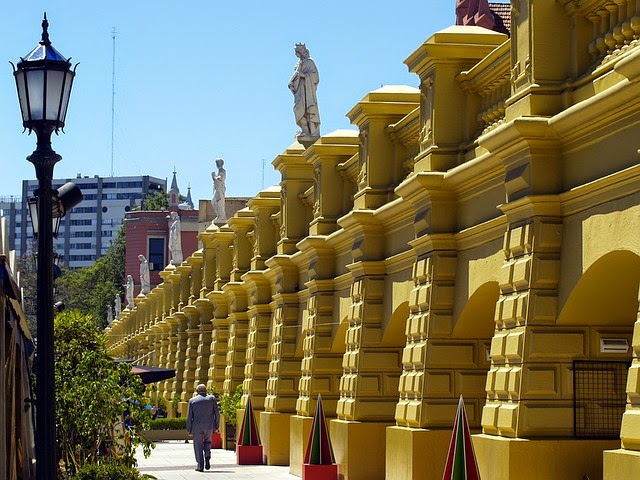 Buenos Aires is one of the great capitals of the world and one of
my favorite cities. Let me lead you on a quick but concise tour of this
unique place...
The big avenues:
9 de Julio - The world's
widest boulevard and the most emblematic of this city, with the enormous
obelisk at the intersection of Corrientes.
Avenida de Mayo - A
street full of old elegant buildings in the best Parisian style shooting
out from the Plaza de Mayo. It's on this street that you'll find the
famous Cafe Tortoni.
Corrientes - The Broadway of Buenos Aires, plus the obelisk, of course! You'll get your dose of tango here!
Santa Fe - The very, very long shopping street.
Calle Florida & Lavalle - Intersecting pedestrian concourses, actually, both chock-full of shops and department stores.
The Barrios (Districts):
San
Telmo - The Bohemian neighborhood, replete with antique shops, flea
markets, tango and restaurants. The focal point is the Plaza Dorrego.
The crowds can be overwhelming on weekends.
Recoleta - The rich
neighborhood: mansions, embassies, museums and the cemetery. Yes, the
cemetery is a big tourist attraction, thanks to Evita's grave. The
museum of Fine Arts has an excellent collection from classical artists.
Palermo
Viejo / Palermo Soho - The hip, young area just outside of downtown. It
offers an incredible array of chic restaurants and bars and is the
preferred destination at night. You can start at the Plaza Serrano and
explore the streets fanning-out from there.
Boca - The barrio with
the wildly painted corrugated metal houses. Very picturesque, but be
forewarned that it's the worst tourist trap in the city, much more
expensive than in the rest of Buenos Aires, so plan to dine and get your
souvenirs elsewhere, and don't let the many hustlers charm you into
buying!
Puerto Madero - a series refurbished warehouses in the
port area, now housing scores of restaurants. Walking along the endless
wharves is a popular activity for both visitors and residents alike.
Belgrano
- An elegant residential neighborhood a fair distance from the city
center. I mention it because of its small Chinatown.
The Grand Old Shopping Malls:
Abasto - A renovated central train station that has a ferris wheel in it!
Buenos Aires is one of the great capitals of the world and one of
my favorite cities. Let me lead you on a quick but concise tour of this
unique place...
The big avenues:
9 de Julio - The world's
widest boulevard and the most emblematic of this city, with the enormous
obelisk at the intersection of Corrientes.
Avenida de Mayo - A
street full of old elegant buildings in the best Parisian style shooting
out from the Plaza de Mayo. It's on this street that you'll find the
famous Cafe Tortoni.
Corrientes - The Broadway of Buenos Aires, plus the obelisk, of course! You'll get your dose of tango here!
Santa Fe - The very, very long shopping street.
Calle Florida & Lavalle - Intersecting pedestrian concourses, actually, both chock-full of shops and department stores.
The Barrios (Districts):
San
Telmo - The Bohemian neighborhood, replete with antique shops, flea
markets, tango and restaurants. The focal point is the Plaza Dorrego.
The crowds can be overwhelming on weekends.
Recoleta - The rich
neighborhood: mansions, embassies, museums and the cemetery. Yes, the
cemetery is a big tourist attraction, thanks to Evita's grave. The
museum of Fine Arts has an excellent collection from classical artists.
Palermo
Viejo / Palermo Soho - The hip, young area just outside of downtown. It
offers an incredible array of chic restaurants and bars and is the
preferred destination at night. You can start at the Plaza Serrano and
explore the streets fanning-out from there.
Boca - The barrio with
the wildly painted corrugated metal houses. Very picturesque, but be
forewarned that it's the worst tourist trap in the city, much more
expensive than in the rest of Buenos Aires, so plan to dine and get your
souvenirs elsewhere, and don't let the many hustlers charm you into
buying!
Puerto Madero - a series refurbished warehouses in the
port area, now housing scores of restaurants. Walking along the endless
wharves is a popular activity for both visitors and residents alike.
Belgrano
- An elegant residential neighborhood a fair distance from the city
center. I mention it because of its small Chinatown.
The Grand Old Shopping Malls:
Abasto - A renovated central train station that has a ferris wheel in it!
Patio Bullrich - The mall of the very rich, in Recoleta
Galerias Pacifico - Another elegant mall, just off the calle Florida, corner Cordoba.
The Old Monuments:
Plaza
de Mayo - Here you'll find the Casa Rosada (Yes, where Evita would wave
to the crowds), and the San Martin cathedral, among other things.
Almost always some group protesting in the square, although peacefully
these days.
Plaza Congreso - The square with the imposing national
congress building on one end, and a variety of other interesting old
buildings.
Other interesting things:
- During the day, try
to get a ride on the subway. Wait for one of the trains with old cars
that are over a hundred years old and have all wooden interiors. Your
best bet to catch one is on the Avenida de Mayo line.
- You can actually get a view of the surrounding city from the top of the obelisk, reachable by climbing 206 steps.
Restaurants and Cafes of Note:
Cafe
Tortoni - The historic and lavish cafe where tango greats like Gardel
would hang out. They also offer top notch tango and brass jazz shows.
Avenida de Mayo 825
Las Violetas - The other celebrated grand old
cafe, all mahogany and tiffany, famous for its desserts. Almagro area.
Rivadavia, 3899
El Balcon - Typical Argentinean food, a charming
environment and a fabulous free show (tango, gaucho, etc) in the heart
of San Telmo. Humberto Primo 461
Palitos - The best Chinese food you'll ever have, in Belgrano chinatown. Arribeños 2243.
Chan Chan - A favorite Peruvian restaurant in Congreso area. Hipólito Yrigoyen 1390.
Quick Facts:
Language: Castilian Spanish. English is widely spoken in the tourism trade.
Exchange rate: You'll get around 3.80 Argentine pesos per US dollar.
Meals:
Expect to spend at least 35 pesos per person for a regular meal. Food
prices have increased as much as 100% in the last two and a half years.
Porteños eat dinner very late, so don't expect to find many restaurants
open before 8:30 pm, because most people will dine at 11 pm or later,
and go dancing at 3 am!
Hotels: They run the gamut from grand
luxury such as the Alvear, to the horrid such as the Lion d'Or. A good,
clean room with breakfast can be had for about 280 pesos per night. The
Once ("Ontsay") area is where you'll find the cheapest hotels, but
you'll waste the difference in taxi fares. I usually stay at the Howard
Johnson in Congreso, (Bartolomé Mitre 2241) which is semi-luxurious yet
very affordable. Note that the star rating used in Argentina reflects
not the quality, but the size of the hotel, so a five star could
actually be a big dump!
Taxis: the black and yellow cabs have
meters and are economical. About 35 pesos for a run from downtown to
Belgrano. Remisses don't have meters and are usually only used to go to
the airport.
Subways, regional trains and buses: Public
transportation is cheap and reliable, but the filth that goes with it
may shock. Avoid using them at night, and be wary of thieves at all
times.
Tipping: Argentineans typically don't tip, but be generous -- their wages are a pittance!
Airports:
Ezeiza ("Eyssayssa") International lies about 40 kilometers from
downtown, while the Aeroparque, used for national and Uruguay flights,
is about 5 minutes away. Note that if you fly into Ezeiza and are from
Canada, USA or Australia, you'll be hit with a hefty arrival tax. Avoid
using taxis for your safety. Use the fixed rate remisses
("raymeessayss") that have kiosks at the arrivals exit.
Crime: Be
careful. Organized groups of pickpockets and street urchins abound.
Avoid walking after dusk. Only use ATMs inside malls. If you're a victim
of crime, know that the police here won't do much for you after the
fact. Most unsafe central areas: Retiro and Once.
Souvenirs: typical souvenirs include leather goods, mate gourds, and wines.
Tom Germain is a Canadian who in 2001 decided he wasn't going to
put up with any more winters and moved to Mexico. He never looked back
and moved around the world every couple years, making his home in
Argentina, the Canary Islands, Mauritius, and now Colombia. In his 2
blogs, Permatourist ([http://www.permatourist.com]) and Ocolombia (http://www.ocolombia.com) he tells of his experiences and offers invaluable tips on how you can live the life of a "permatourist".
Article Source:
http://EzineArticles.com/?expert=Tom_Germain
 Buenos Aires has much to offer the visitor, and taking a tour of
one of this great cities amazing buildings is certainly worth while.
With so many things to see and do, it can be hard to get round to seeing
and doing everything. To help you plan your time in Buenos Aires to the
maximum, here are 5 recommended Tours of Historical Buildings in Buenos
Aires.
1) La Casa Rosada
Buenos Aires has much to offer the visitor, and taking a tour of
one of this great cities amazing buildings is certainly worth while.
With so many things to see and do, it can be hard to get round to seeing
and doing everything. To help you plan your time in Buenos Aires to the
maximum, here are 5 recommended Tours of Historical Buildings in Buenos
Aires.
1) La Casa Rosada
If you happen to be in Buenos Aires on a weekend or public holiday,
make sure to take a tour of the famous Casa Rosada. This Pink coloured
building is the official seat of the executive branch of the Government
of Argentina, and is where the nations president works. La Casa Rosada
is of important significance to Argentineans, as it has played a big
part in the nations history. La Casa Rosada offers visitors
complimentary tours of the building on weekends and public holidays,
from 10am to 5pm.
Visitors are shown around a number of rooms including the Presidents
Office, with guide's giving a short explanation about each room. One of
La Casa Rosada's most significant features is one of it's balconies
which overlooks Plaza de Mayo. It has been used as a podium by many
historical figures, including Evita Perón and Diego Maradona. It is best
to try and visit as early as possible as queues tend to build up in the
afternoon. Behind La Casa Rosada is El Museo del Bicentenario (The
Bicentennial Museum). This is also worth visiting as it categorises much
of Argentina's past both culturally and politically.
2) Manzana de Las Luces
Located close to La Casa Rosada is Manzana de Las Luces (The Square
of Enlightenment). This is a whole city block of historical buildings
dating back to the 17th century. It was created as a place of learning
by Jesuit priests. Visitors to Manzana de Las Luces can enjoy popular
guided tours of these historic buildings and spaces. The tours take in
the main areas of the complex, including the former House of
Representatives, where a number of Presidents were sworn in, and a part
of the underground tunnels.
The tunnels were built by the Jesuits and
once linked the complex with other city institutions and buildings.
Tours usually take place daily in the afternoons. The tour finishes at
an Antiques and Crafts Market within the complex. The market sells all
sorts including souvenirs, jewellery, gifts and antiques amongst many
others.
3) El Zanjón
Sticking to a tunnel theme you can venture into the bohemian
neighbourhood of San Telmo to El Zanjón. This is a restored 19th century
mansion with old underground tunnels. The site is linked to the very
early days of Buenos Aires development, making El Zanjón one of the most
important archeological sites in the city of Buenos Aires. A tour of El
Zanjón offers an in-depth look into the history of Buenos Aires, and
how it has changed down the centuries. Tour guides give the visitor an
understanding of not only the cities history but also those who
inhabited the building. Artefacts that were found during the renovation
of the building and tunnels are on exhibit.
4) Palacio del Congreso
Heading back to a political theme, a tour of the very impressive 'El
Palacio del Congreso' is worthwhile. This is the seat of Argentina's
National Senate located at the end of Avenida de Mayo. The huge
green-dome at the top of the building of the Palace is said to have been
modelled on Washington's Capitol building.
Complimentary guided tours of the building generally take place
during the week in the late afternoon, except on Wednesdays when the
house is in session. On the tour visitors are taken around the main
senate rooms and chambers. The entrance to the building tour is on the
Hipolito Yrigoyen Street side of the building. Make sure you bring some
ID and dress appropriately. El Palacio del Congreso is centrally located
in Buenos Aires which is handy. On a fine day, it is nice to sit down
on a bench and relax in the plaza opposite.
5) Palacio Barolo
A tour of the Palacio Barolo Building really is highly recommended.
Located along Avenida de Mayo, the buildings Italian architect, Mario
Palanti, based much of his design on Dante Alighieri's classic poem, the
Devine Comedy. He hide various messages from the Devine Comedy in the
architecture. The building itself has 22 floors. Palanti categorised
these into 3 sections related to the poem. The basement and ground floor
represent Hell, floors 1 to 14 make up Purgatory, with floors 15 to 22
personifying paradise.
Guided tours of El Palacio Barolo take place during the week.
Visitors are taken up up through the building, stopping at different
points where guides explain some of the interesting facts about the
building and the architecture. The highlight of the tour is the light
house and viewing gallery at the top of the building. Here you can enjoy
a a 360 degree view over Buenos Aires.
Buenos Aires is packed
full of great buildings and landmarks. Make sure to allocate the time to
visit some of them and find out about their history when in Buenos
Aires.
Philip is a Content Producer for the innovative travel website http://www.sightseer.tv/buenosaires/tours.
Since a young age he has travelled extensively around the world. Philip
has also spent a number of years living in various countries including
the United Kingdom, Australia, Germany, South Africa and Argentina. He
has a passion for travel and enjoys passing on his experiences and
knowledge, as well as learning from others. Email:
philip.egan@sightseer.tv
Article Source:
http://EzineArticles.com/?expert=Philip_Egan


