 Kingdom of Morocco is situated in North Africa with coast in the
Mediterranean Sea and Atlantic Ocean. Moroccan coast further comprise of
a connection to the Strait of Gibraltar, a body of water, which divides
Mediterranean and Atlantic Ocean. The Strait of Gibraltar divides
Morocco from Spain that is to the north. Morocco as well shares borders a
longing with Algeria.
In size, Morocco is to some extent smaller than
the state of California, United States. Archaeologists have established
that the land of contemporary Morocco has been occupied for at least
10,000 years.
The Morocco government is a legal kingdom. Even
though there is a chosen parliament in the government, the King of
Morocco carries huge powers. In fact, he can soften the present
government at determination if he so chooses. In late Moroccan law,
political parties and other groups that resist the government are legal.
Several of them have shaped and are actually active. There is discussed
over whether Western Sahara, an extremely thinly populated territory,
must be under the control of Morocco or not. Since a cessation of
hostilities that was sponsored by the UN in 1991, Morocco have separate
manage over the region. Morocco, however, controls a bigger part of it.
Although
Morocco is situated in Africa, it is the only nation on the continent,
which is not a member of the African Union. However, it does have many
biased and political affiliations. Morocco is also associated with the
Mediterranean Dialogue Group, and other Arab League. It is also a friend
of the United States even though it is not a member of NATO.
Morocco
has an extremely appealing traditional history and has developed an
interesting bookish community. In the 1950s and 1960s, the country
became a well-liked destination and imaginative haven for many writers.
Some famous writers who came or took up house in Morocco are Tennessee
Williams, William S. Burroughs, and Paul. Since then, Moroccan
literature has prospered. Having a Morocco tour or a Sahara tour could
be an outstanding trip for anybody.
Kingdom of Morocco is situated in North Africa with coast in the
Mediterranean Sea and Atlantic Ocean. Moroccan coast further comprise of
a connection to the Strait of Gibraltar, a body of water, which divides
Mediterranean and Atlantic Ocean. The Strait of Gibraltar divides
Morocco from Spain that is to the north. Morocco as well shares borders a
longing with Algeria.
In size, Morocco is to some extent smaller than
the state of California, United States. Archaeologists have established
that the land of contemporary Morocco has been occupied for at least
10,000 years.
The Morocco government is a legal kingdom. Even
though there is a chosen parliament in the government, the King of
Morocco carries huge powers. In fact, he can soften the present
government at determination if he so chooses. In late Moroccan law,
political parties and other groups that resist the government are legal.
Several of them have shaped and are actually active. There is discussed
over whether Western Sahara, an extremely thinly populated territory,
must be under the control of Morocco or not. Since a cessation of
hostilities that was sponsored by the UN in 1991, Morocco have separate
manage over the region. Morocco, however, controls a bigger part of it.
Although
Morocco is situated in Africa, it is the only nation on the continent,
which is not a member of the African Union. However, it does have many
biased and political affiliations. Morocco is also associated with the
Mediterranean Dialogue Group, and other Arab League. It is also a friend
of the United States even though it is not a member of NATO.
Morocco
has an extremely appealing traditional history and has developed an
interesting bookish community. In the 1950s and 1960s, the country
became a well-liked destination and imaginative haven for many writers.
Some famous writers who came or took up house in Morocco are Tennessee
Williams, William S. Burroughs, and Paul. Since then, Moroccan
literature has prospered. Having a Morocco tour or a Sahara tour could
be an outstanding trip for anybody.
Ron Victor is a Copywriter of Cultural Tours. He written many articles in various topics such as Morocco Holidays, Tour Morocco. For more information visit: http://www.experienceittours.com Contact him at ron.seocopywriter@gmail.com
Article Source:
http://EzineArticles.com/?expert=Ron_Victor
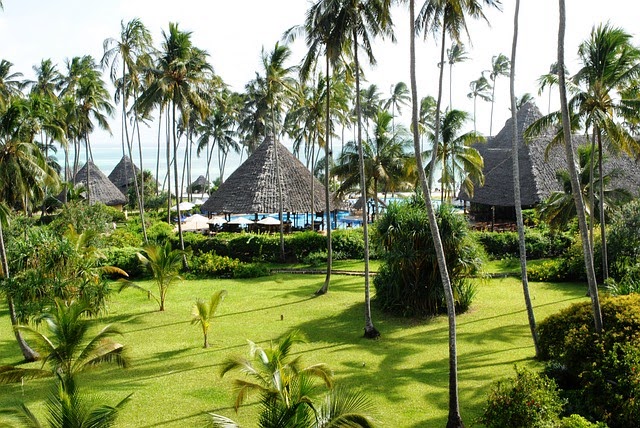 An African safari in Tanzania is an ideal way of spending a
vacation if you are a wildlife enthusiast or a photographer who wants to
witness something truly majestic. The exclusive lodges, cottages and
resorts also ensure that your stay is comfortable and add a different
dimension to your experience of Safari Holidays. A Tanzania safari
involves everything from staying in tree tops, to getting up close with
wild animals and camping in the forests.
A good example is the Lake
Manyara Tree Lodge which is located inside a mahogany forest close to an
exquisite soda lake. The stilted tree houses with large windows that
offer a view the forest and modern sophisticated furnishing will let you
experience a luxurious stay, part of the African Safari special.
The
Serengeti's western corridor is known for the Grumeti River camp which
allows one to enjoy camping in spacious tents set up under the makuti
canopies. Proximity to the bywaters of the Grumeti River will let one
experience the wild pulse that beats around the African jungles. The
north eastern part of Serengeti is famous for wild buffaloes and one can
enjoy the safari lodges in Klein's camp and get a chance to stay in
thatch and rock cottages.
The private verandah, exquisite wooden floors
and well designed interiors with water heated with a fire under the tank
will give you a royal feeling. One can catch a view of many wild
animals in this region including wildebeest, oryx, zebras, buffaloes,
elephants and rhinos.
The Ngorongoro crater is another famous land
spot. Many tourists come here to watch the crater and enjoy the stay in
the spectacularly designed Ngorongoro crater lodge. The Ngorongo is
also famously known as the 8th wonder of the natural world and the view
from the lodge sitting on the crater will justify its nickname. The
Southern Tanzania is a part of the African safari that you shouldn't
miss.
The biggest attraction is the Ruaha national park which along with
its wild life treasurers is also famous for magnificent scenery and
great bushes seldom seen elsewhere. Selous is another destination you
must not miss in Tanzania. It is the biggest protected wild life reserve
in Africa and is located so remotely that it could be reached only by
small aircraft.
Another famous tourist destination in Tanzania is
Tarangire. This is called the elephant capital too. Here baobab and
marula trees will be your homes as you spend your night on tree tops set
amidst these trees. The exotic and mystic feeling surrounding these
tree tops and forests is a rare experience that is hard to get in any
other part of the world.
No African Safari is complete without visiting
Masai Mara which is the venue for the big five, the rhinos, elephants,
lions, buffaloes and the leopards. In other words, it represents all the
gems of the African wild, scenery to behold and a sight that is worth
remembering for the rest of your life. The view of the wild and its
majestic inhabitants is something that will make the journey worthwhile.
An African safari in Tanzania is an ideal way of spending a
vacation if you are a wildlife enthusiast or a photographer who wants to
witness something truly majestic. The exclusive lodges, cottages and
resorts also ensure that your stay is comfortable and add a different
dimension to your experience of Safari Holidays. A Tanzania safari
involves everything from staying in tree tops, to getting up close with
wild animals and camping in the forests.
A good example is the Lake
Manyara Tree Lodge which is located inside a mahogany forest close to an
exquisite soda lake. The stilted tree houses with large windows that
offer a view the forest and modern sophisticated furnishing will let you
experience a luxurious stay, part of the African Safari special.
The
Serengeti's western corridor is known for the Grumeti River camp which
allows one to enjoy camping in spacious tents set up under the makuti
canopies. Proximity to the bywaters of the Grumeti River will let one
experience the wild pulse that beats around the African jungles. The
north eastern part of Serengeti is famous for wild buffaloes and one can
enjoy the safari lodges in Klein's camp and get a chance to stay in
thatch and rock cottages.
The private verandah, exquisite wooden floors
and well designed interiors with water heated with a fire under the tank
will give you a royal feeling. One can catch a view of many wild
animals in this region including wildebeest, oryx, zebras, buffaloes,
elephants and rhinos.
The Ngorongoro crater is another famous land
spot. Many tourists come here to watch the crater and enjoy the stay in
the spectacularly designed Ngorongoro crater lodge. The Ngorongo is
also famously known as the 8th wonder of the natural world and the view
from the lodge sitting on the crater will justify its nickname. The
Southern Tanzania is a part of the African safari that you shouldn't
miss.
The biggest attraction is the Ruaha national park which along with
its wild life treasurers is also famous for magnificent scenery and
great bushes seldom seen elsewhere. Selous is another destination you
must not miss in Tanzania. It is the biggest protected wild life reserve
in Africa and is located so remotely that it could be reached only by
small aircraft.
Another famous tourist destination in Tanzania is
Tarangire. This is called the elephant capital too. Here baobab and
marula trees will be your homes as you spend your night on tree tops set
amidst these trees. The exotic and mystic feeling surrounding these
tree tops and forests is a rare experience that is hard to get in any
other part of the world.
No African Safari is complete without visiting
Masai Mara which is the venue for the big five, the rhinos, elephants,
lions, buffaloes and the leopards. In other words, it represents all the
gems of the African wild, scenery to behold and a sight that is worth
remembering for the rest of your life. The view of the wild and its
majestic inhabitants is something that will make the journey worthwhile.
To know more about the African Safari package and Tanzania Safari find out about the kind of stay available in different places, please visit luxury-safaris.co.uk.
Article Source:
http://EzineArticles.com/?expert=Sagbee_C
 Tanzania is by far one of the most exciting countries in East
Africa from a touristic point of view, having much to offer to those who
are wild on unique scenery and impressive wildlife. Many people choose
Tanzania safaris as their vacation package and are impressed by the
unspoiled wilderness that this country has to offer, as well as by the
high concentration of wildlife found in Tanzania.
From major national
parks to numerous reserves, the country is inhabited by various herds of
wildebeest, especially in the famous Serengeti Park, where the savannah
and the huge populations of buffalo and elephants are breathtaking. A
safari in Tanzania will certainly be a once in a lifetime experience, so
if you are looking for a different type of vacation this year, then you
should definitely take this country into serious consideration. You
will get to witness an amazing diversity of flora and fauna and
experience an adventure like in no other place.
A safari in
Tanzania will mesmerize you not only through the diversity of wildlife,
such as giraffes, elephants, lions and many more, but also through the
assortment of vegetation and bird life. Most people, when they think
about Tanzania safaris, they think lions and elephants and large plains,
but few know that the country is also renowned for its incredible
variety of ecology. In fact, Tanzania hosts more than 35 species of
large, four-legged mammals, but has over 1000 species of birds.
There
are many things to see while on a vacation in Tanzania, from the above
mentioned Serengeti Park and the Ngorongoro Crater to Lake Manyara and
the authentic Masai Village. If you want to make sure you don't miss out
on anything, then you should better look into Tanzania tours that can
last up to 8 days, or even more, and take you to the most important and
impressive sights. Don't forget your camera and your binoculars and get
ready to be amazed by both incredible scenery and wildlife. It is also a
good idea to take sun lotion with you, as Tanzania has a very hot
weather, although quite unpredictable.
Tanzania used to be an
unknown country to many and its touristic potential has been hardly met,
but as more and more people began looking for more unique vacation
destinations, leaving behind the traditional exotic islands or cultural
capitals, this country has become more and more popular. As a result,
there are now many tour operators that organize Tanzania safaris, so
tourists have plenty of choices when it comes to selecting a tour.
Depending on what it is that you want to see and experience, the time
you have on your hands and, of course, your budget, you should be able
to find a safari in Tanzania that suits your wishes. As amazing as such a
vacation would be, you shouldn't go on such a tour unprepared, so
before you start packing your bags, make sure you do a little research
on the country, the visa requirements, the vaccination needed and other
such important issues.
Tanzania is by far one of the most exciting countries in East
Africa from a touristic point of view, having much to offer to those who
are wild on unique scenery and impressive wildlife. Many people choose
Tanzania safaris as their vacation package and are impressed by the
unspoiled wilderness that this country has to offer, as well as by the
high concentration of wildlife found in Tanzania.
From major national
parks to numerous reserves, the country is inhabited by various herds of
wildebeest, especially in the famous Serengeti Park, where the savannah
and the huge populations of buffalo and elephants are breathtaking. A
safari in Tanzania will certainly be a once in a lifetime experience, so
if you are looking for a different type of vacation this year, then you
should definitely take this country into serious consideration. You
will get to witness an amazing diversity of flora and fauna and
experience an adventure like in no other place.
A safari in
Tanzania will mesmerize you not only through the diversity of wildlife,
such as giraffes, elephants, lions and many more, but also through the
assortment of vegetation and bird life. Most people, when they think
about Tanzania safaris, they think lions and elephants and large plains,
but few know that the country is also renowned for its incredible
variety of ecology. In fact, Tanzania hosts more than 35 species of
large, four-legged mammals, but has over 1000 species of birds.
There
are many things to see while on a vacation in Tanzania, from the above
mentioned Serengeti Park and the Ngorongoro Crater to Lake Manyara and
the authentic Masai Village. If you want to make sure you don't miss out
on anything, then you should better look into Tanzania tours that can
last up to 8 days, or even more, and take you to the most important and
impressive sights. Don't forget your camera and your binoculars and get
ready to be amazed by both incredible scenery and wildlife. It is also a
good idea to take sun lotion with you, as Tanzania has a very hot
weather, although quite unpredictable.
Tanzania used to be an
unknown country to many and its touristic potential has been hardly met,
but as more and more people began looking for more unique vacation
destinations, leaving behind the traditional exotic islands or cultural
capitals, this country has become more and more popular. As a result,
there are now many tour operators that organize Tanzania safaris, so
tourists have plenty of choices when it comes to selecting a tour.
Depending on what it is that you want to see and experience, the time
you have on your hands and, of course, your budget, you should be able
to find a safari in Tanzania that suits your wishes. As amazing as such a
vacation would be, you shouldn't go on such a tour unprepared, so
before you start packing your bags, make sure you do a little research
on the country, the visa requirements, the vaccination needed and other
such important issues.
To learn more about a safari in Tanzania or about operators of Tanzania safaris, please follow this link.
Article Source:
http://EzineArticles.com/?expert=Groshan_Fabiola
 So, you've made the critical decision and settled on a holiday in
South Africa. It's going to be brilliant. Cape Town is jaw-dropping,
the beaches of the Cape Peninsula are beautiful (and more often than not
virtually empty), the food is wonderful, the wine even better, and the
Garden Route is a road-tripper's dream.
This is only the tip of
the proverbial iceberg. The Big Five will play a big part in every South
Africa holiday, but trying to choose a safari really can be a
hair-pulling, teeth-grinding affair. The South African safari market is
ridiculously saturated (mainly because it is ridiculously lucrative) and
there are so many options that it can be difficult to know where to
begin.
The good news is that there all kinds of safaris out there -
something for every budget and every kind of person (except perhaps
those who don't like animals). Whether you're a backpacker or an
investment banker, there is bound to be an ideal solution. It's just a
matter of knowing what's available and what the jargon means in real,
tangible terms.
Hopefully, this pocket guide will set you on the right track to your perfect South Africa safari:
WHERE TO GO ON SAFARI IN SOUTH AFRICA:
First, you'll need to decide where to go:
1. There are no decent, ethical game reserves near Cape Town. Full stop.
I
used to work for an excellent South Africa safari specialist, and I
lost count of the times that I was asked about safaris near Cape Town.
It just isn't possible. Yes, if you Google 'safari near Cape Town',
you'll come across a number of hits claiming to be Big Five game
reserves a couple of hours outside Cape Town, but don't listen to a word
of it. Truly wild animals need space, probably around 5,000 hectares as
a bare minimum, and none of the "game reserves" near Cape Town offer
this kind of room to roam. If these reserves are indeed home to the Big
Five, it probably means a couple of lions, usually within some kind of
enclosure, a few elephants and some depressed giraffes. Basically, they
amount to nothing more than glorified zoos. They are unethical and
certainly fail to provide any kind of authentic safari feeling. You're
likely to leave feeling very sorry for the two overweight lions in their
oversized cage who can't be bothered to even raise their heads when
your safari vehicle screeches up to a halt less than a metre away. I've
seen it and I'm sufficiently scarred.
2. If you want a real bush safari experience, you need to head north.
Understandably,
many holidaymakers to South Africa would prefer to fly in and out of
Cape Town, by-passing the fabled badlands of Johannesburg
altogether. However, not only is the area north of Johannesburg very
beautiful indeed (Blyde River Canyon, God's Window and more) but,
unquestionably, the South Africa's best safaris are found in Kruger
National Park or Madikwe Game Reserve. These reserves are huge - Kruger,
at over 2 million hectares, is about the size of Wales - and they feel
really, truly, authentically wild. Madikwe is less visited and perfect
for travelers eager to do something different. It hugs the border with
Botswana and spans a massive 76,000 hectares - compare that to the 3,000
hectare "reserves" near Cape Town. It also has the advantage of being
totally malaria free. Both Kruger and Madikwe are brilliant for really
exciting safaris. It's worth making the journey north if you're
passionate about wildlife, and you're likely to see whole herds of
animals doing what wild animals do - not just a lone rhino at a man-made
watering hole.
3. The Eastern Cape can be a great compromise.
Sometimes,
getting up north just isn't possible. If time is tight or you've got a
whole family in tow, you could opt for a safari in the malaria-free
Eastern Cape. Again, there are a host of options available, some far
better than others. As ever, the bigger the game reserve, the more
authentic the safari experience. Unfortunately, the curse of the Eastern
Cape seems to be that you pay for each hectare through the nose.
Kwandwe
and Shamwari (the setting for the BBC's 'Safari School' programme) are
both over 20,000 hectares and both the most expensive choices. Despite
its size, I still found Shamwari fairly tame and spoilt by its own
commercialism. There are just a couple too many lodges in the reserve,
so you tend to come across other vehicles very regularly and the animals
are found mainly by walkie-talkie contact between rangers rather than
bushtracking. I saw the Big Five, but I didn't get the big feeling.
Some
of the smaller reserves in the Eastern Cape can actually provide a far
warmer and more memorable safari experience. Bukela, in the Bushman's
conservancy, is a family-run lodge with game drives into the 8,000
hectare Amakhala Game Reserve. There's a real community feeling here and
you get far more sense of living remotely in the bush, even if it is
low scrub rather than wild plains.
Pumba (6500 hectares) is
another small but lovely reserve, and Kariega (7,500) offers some really
reasonably priced accommodation as well as horse-riding along the beach
at Kenton-by-Sea.
Addo Elephant Park is definitely something
not to be missed as you're almost guaranteed to see dozens of elephants
gathered around waterholes and crossing streams. Although technically a
Big Five reserve, Addo is all about elephants, and you should combine it
with another reserve if you really want to see lions as well. You can
stay outside Addo in one of the beautiful guesthouses in the Sundays
River Valle, surrounded by citrus orchards and ostriches, and drive into
the park with your own car during the day. Alternatively, all of the
lodges and guesthouses in the area offer game drives into Addo with an
experienced guide for an additional fe
WHERE TO STAY ON SAFARI IN SOUTH AFRICA:
Next,
you'll need to choose what kind of accommodation you're after. Here are
a few hints about lodges and rest camps as well as what's included and
what's not:
Private game reserves: Think glossy brochures,
impeccable service, chocolates on the pillow and G&Ts at sunset.
Private game reserves will provide the full safari works - one morning
and one evening guided game drive (usually in an open top vehicle, with
stops for morning coffee and sundowner cocktails), and all meals are
included in the price. So, although the rates may seem gut-wrenchingly
high, you can take comfort in the fact that you won't spend much when
you're actually there (unless you have a penchant for vintage wines).
You'll
find lots of exclusive reserves in what is known as Greater Kruger -
Sabi Sands, Timbavati, Thornybush. Basically, these reserves are still
part of Kruger, but privately owned. There are no fences between the
land owned by these reserves and the public part of Kruger National
Park, so the animals can wander between public and private at will. The
really crucial thing is that the game rangers can go off-road in the
private reserves, and really track the animals through the bush, while
all game drives in public Kruger must stick strictly to the roads.
Rest camps:
These are the other end of the scale. Operated by South African
National Park rest camps are the cheapie options in the public part of
the Kruger, Addo Elephant, and other National Parks.
Prices start
very low indeed (a little over a tenner), and you can opt for camping,
caravanning or one of the accommodation types available. These range
from wooden chalets for 10 people to forest huts for 2 people, some with
and some without private bathrooms but almost all with their very own
braai (South Africa barbeque) set up outside. There will invariably be a
kind of site-shop, so you can stock up on boerewors for dinner. If you
love camping or getting close to the great outdoors, you'll love it (I
know I did!).
Safari-wise, it's all about self-drive. You'll get
up early and scour the road network hoping to come across wildlife as
you drive, and there's nothing like the feeling of just happening upon a
herd of elephants in your own car. It may not be off-roading, but it's
brilliant in other ways. One tip: If you're planning on a rest camp
safari, be sure to book really early because they fill up incredibly
quickly - sometimes YEARS in advance.
Of course, you can always
mix and match. Why not give yourselves a few nights in a basic forest
hut before moving to a private reserve for some luxury and exclusive
game drives. That really could get you the best of both safari worlds...
and you won't burn a hole in your pocket the size of the Fish River
Canyon!
Fingers crossed that this information will inch you
closer to the right safari for you. South Africa is just wonderful, and
however you choose to do it, you're sure to have a pretty unbeatable
experience.
So, you've made the critical decision and settled on a holiday in
South Africa. It's going to be brilliant. Cape Town is jaw-dropping,
the beaches of the Cape Peninsula are beautiful (and more often than not
virtually empty), the food is wonderful, the wine even better, and the
Garden Route is a road-tripper's dream.
This is only the tip of
the proverbial iceberg. The Big Five will play a big part in every South
Africa holiday, but trying to choose a safari really can be a
hair-pulling, teeth-grinding affair. The South African safari market is
ridiculously saturated (mainly because it is ridiculously lucrative) and
there are so many options that it can be difficult to know where to
begin.
The good news is that there all kinds of safaris out there -
something for every budget and every kind of person (except perhaps
those who don't like animals). Whether you're a backpacker or an
investment banker, there is bound to be an ideal solution. It's just a
matter of knowing what's available and what the jargon means in real,
tangible terms.
Hopefully, this pocket guide will set you on the right track to your perfect South Africa safari:
WHERE TO GO ON SAFARI IN SOUTH AFRICA:
First, you'll need to decide where to go:
1. There are no decent, ethical game reserves near Cape Town. Full stop.
I
used to work for an excellent South Africa safari specialist, and I
lost count of the times that I was asked about safaris near Cape Town.
It just isn't possible. Yes, if you Google 'safari near Cape Town',
you'll come across a number of hits claiming to be Big Five game
reserves a couple of hours outside Cape Town, but don't listen to a word
of it. Truly wild animals need space, probably around 5,000 hectares as
a bare minimum, and none of the "game reserves" near Cape Town offer
this kind of room to roam. If these reserves are indeed home to the Big
Five, it probably means a couple of lions, usually within some kind of
enclosure, a few elephants and some depressed giraffes. Basically, they
amount to nothing more than glorified zoos. They are unethical and
certainly fail to provide any kind of authentic safari feeling. You're
likely to leave feeling very sorry for the two overweight lions in their
oversized cage who can't be bothered to even raise their heads when
your safari vehicle screeches up to a halt less than a metre away. I've
seen it and I'm sufficiently scarred.
2. If you want a real bush safari experience, you need to head north.
Understandably,
many holidaymakers to South Africa would prefer to fly in and out of
Cape Town, by-passing the fabled badlands of Johannesburg
altogether. However, not only is the area north of Johannesburg very
beautiful indeed (Blyde River Canyon, God's Window and more) but,
unquestionably, the South Africa's best safaris are found in Kruger
National Park or Madikwe Game Reserve. These reserves are huge - Kruger,
at over 2 million hectares, is about the size of Wales - and they feel
really, truly, authentically wild. Madikwe is less visited and perfect
for travelers eager to do something different. It hugs the border with
Botswana and spans a massive 76,000 hectares - compare that to the 3,000
hectare "reserves" near Cape Town. It also has the advantage of being
totally malaria free. Both Kruger and Madikwe are brilliant for really
exciting safaris. It's worth making the journey north if you're
passionate about wildlife, and you're likely to see whole herds of
animals doing what wild animals do - not just a lone rhino at a man-made
watering hole.
3. The Eastern Cape can be a great compromise.
Sometimes,
getting up north just isn't possible. If time is tight or you've got a
whole family in tow, you could opt for a safari in the malaria-free
Eastern Cape. Again, there are a host of options available, some far
better than others. As ever, the bigger the game reserve, the more
authentic the safari experience. Unfortunately, the curse of the Eastern
Cape seems to be that you pay for each hectare through the nose.
Kwandwe
and Shamwari (the setting for the BBC's 'Safari School' programme) are
both over 20,000 hectares and both the most expensive choices. Despite
its size, I still found Shamwari fairly tame and spoilt by its own
commercialism. There are just a couple too many lodges in the reserve,
so you tend to come across other vehicles very regularly and the animals
are found mainly by walkie-talkie contact between rangers rather than
bushtracking. I saw the Big Five, but I didn't get the big feeling.
Some
of the smaller reserves in the Eastern Cape can actually provide a far
warmer and more memorable safari experience. Bukela, in the Bushman's
conservancy, is a family-run lodge with game drives into the 8,000
hectare Amakhala Game Reserve. There's a real community feeling here and
you get far more sense of living remotely in the bush, even if it is
low scrub rather than wild plains.
Pumba (6500 hectares) is
another small but lovely reserve, and Kariega (7,500) offers some really
reasonably priced accommodation as well as horse-riding along the beach
at Kenton-by-Sea.
Addo Elephant Park is definitely something
not to be missed as you're almost guaranteed to see dozens of elephants
gathered around waterholes and crossing streams. Although technically a
Big Five reserve, Addo is all about elephants, and you should combine it
with another reserve if you really want to see lions as well. You can
stay outside Addo in one of the beautiful guesthouses in the Sundays
River Valle, surrounded by citrus orchards and ostriches, and drive into
the park with your own car during the day. Alternatively, all of the
lodges and guesthouses in the area offer game drives into Addo with an
experienced guide for an additional fe
WHERE TO STAY ON SAFARI IN SOUTH AFRICA:
Next,
you'll need to choose what kind of accommodation you're after. Here are
a few hints about lodges and rest camps as well as what's included and
what's not:
Private game reserves: Think glossy brochures,
impeccable service, chocolates on the pillow and G&Ts at sunset.
Private game reserves will provide the full safari works - one morning
and one evening guided game drive (usually in an open top vehicle, with
stops for morning coffee and sundowner cocktails), and all meals are
included in the price. So, although the rates may seem gut-wrenchingly
high, you can take comfort in the fact that you won't spend much when
you're actually there (unless you have a penchant for vintage wines).
You'll
find lots of exclusive reserves in what is known as Greater Kruger -
Sabi Sands, Timbavati, Thornybush. Basically, these reserves are still
part of Kruger, but privately owned. There are no fences between the
land owned by these reserves and the public part of Kruger National
Park, so the animals can wander between public and private at will. The
really crucial thing is that the game rangers can go off-road in the
private reserves, and really track the animals through the bush, while
all game drives in public Kruger must stick strictly to the roads.
Rest camps:
These are the other end of the scale. Operated by South African
National Park rest camps are the cheapie options in the public part of
the Kruger, Addo Elephant, and other National Parks.
Prices start
very low indeed (a little over a tenner), and you can opt for camping,
caravanning or one of the accommodation types available. These range
from wooden chalets for 10 people to forest huts for 2 people, some with
and some without private bathrooms but almost all with their very own
braai (South Africa barbeque) set up outside. There will invariably be a
kind of site-shop, so you can stock up on boerewors for dinner. If you
love camping or getting close to the great outdoors, you'll love it (I
know I did!).
Safari-wise, it's all about self-drive. You'll get
up early and scour the road network hoping to come across wildlife as
you drive, and there's nothing like the feeling of just happening upon a
herd of elephants in your own car. It may not be off-roading, but it's
brilliant in other ways. One tip: If you're planning on a rest camp
safari, be sure to book really early because they fill up incredibly
quickly - sometimes YEARS in advance.
Of course, you can always
mix and match. Why not give yourselves a few nights in a basic forest
hut before moving to a private reserve for some luxury and exclusive
game drives. That really could get you the best of both safari worlds...
and you won't burn a hole in your pocket the size of the Fish River
Canyon!
Fingers crossed that this information will inch you
closer to the right safari for you. South Africa is just wonderful, and
however you choose to do it, you're sure to have a pretty unbeatable
experience.
And, if you need an extra helping hand to build your South Africa itinerary, feel free to get in touch.
Bryony Holland
South Africa Travel Plan http://www.southafricatravelplan.co.uk
Oil
lanterns in Kruger. Garden Route adventure trails. Sleep in beehive
huts and bush chalets. At South Africa Travel Plan, we'll help you build
your very own South Africa adventure.
Article Source:
http://EzineArticles.com/?expert=Bryony_Holland


